

Noor Eye Care

Glaucoma

Glaucoma Treatment

If you're over 40, regular eye checkups are essential to screen for glaucoma—an eye condition that slowly damages the optic nerve and can lead to vision loss or blindness if untreated. Modern optical techniques can help detect and manage it effectively.
Image

Easy Appointment Booking

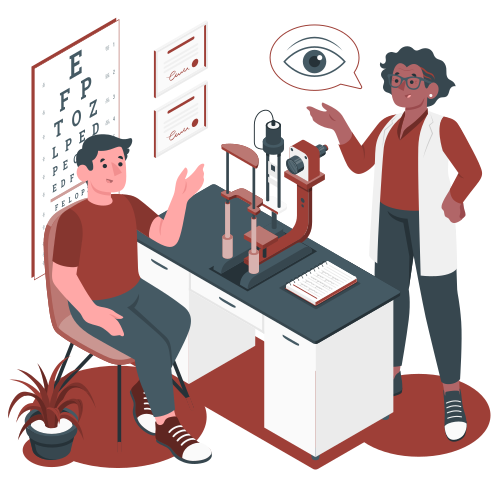
We conduct thorough, step-by-step eye examinations to ensure every aspect of your vision and eye health is carefully assessed.

Care by Experienced Specialists

Our team of seasoned ophthalmologists and optometrists bring years of clinical expertise, ensuring you receive trusted and precise care.

Comfortable & Patient-Friendly Process

From check-in to consultation, we prioritize your comfort with a calm, welcoming environment and supportive staff every step of the way.

Quick approval process

We strive to provide a quick approval process, so that customers can get the funding they need as soon as possible.

Preparing for your visit – what to bring

  • Previous Eye Exam Records: If you’ve had an eye checkup or treatment in the past, please bring any related reports, prescriptions, or test results.
  • Current Eyeglasses or Contact Lenses: Bring your current pair of glasses or contact lenses so we can assess your existing prescription.
  • List of Medications: Include any medications you’re currently taking, especially those related to eye health or chronic conditions (e.g., diabetes, high blood pressure).
  • Medical History Details: If you have any existing health conditions or allergies, let us know during your visit. A printed list or summary is helpful.
  • Referral Letter (if required): If you've been referred by another doctor, please bring the referral note.

We recommend arriving 10–15 minutes early for your appointment to complete any necessary paperwork.

Book an Appointment with Our Eye Care Experts

{{ errors.name }}

{{ errors.phone }}

{{ errors.issue }}

{{ errors.appointment_date }}

{{ errors.appointment_time }}

What is Glauma?
Glaucoma is a group of eye conditions that damage the optic nerve, often due to increased pressure inside the eye. It develops gradually and may not show symptoms early on, but if left untreated, it can lead to permanent vision loss. Regular eye checkups are key for early detection and effective management.
Causes
  • Blocked or reduced fluid drainage in the eye
  • Use of corticosteroids or dilating eye drops
  • Decreased blood flow to the optic nerve
  • Eye trauma or inflammation
  • Certain systemic conditions like diabetes or high blood pressure
Symptoms
  • Gradual or sudden vision loss
  • Seeing rainbow-colored halos around lights
  • Double vision
  • Persistent headaches
  • Uneven pupil size
Treatment
Glaucoma is managed by reducing intraocular pressure through:
  • Prescription eye drops
  • Oral medications
  • Laser procedures
  • Surgical interventions (depending on severity)
Modern Techniques for Glaucoma Diagnosis & Management
  • Goldmann Applanation Tonometry: Highly accurate method to measure eye pressure
  • Pachymetry: Measures corneal thickness using a painless test
  • Humphrey Visual Field Analysis: Evaluates the extent of peripheral vision loss
  • Ultrasound Biomicroscopy (UBM): High-resolution imaging of the eye’s anterior segment
Surgical Options
  • Trabeculectomy: Gold-standard procedure to lower intraocular pressure
  • Glaucoma Valve Surgery: Uses a valve device to drain excess fluid
  • Pediatric Glaucoma Surgery: Techniques like trabeculotomy and goniotomy for children

Frequently Asked Questions about Glaucoma

  • Primary Open-Angle Glaucoma
  • Angle-Closure Glaucoma
  • Congenital Glaucoma
  • Secondary Glaucoma
  • Age over 40
  • Family history of glaucoma
  • Diabetes or thyroid conditions
  • Eye injuries or high/low blood pressure
  • Long-term use of steroids
  • Avoid strenuous activities
  • Prevent constipation to avoid pressure on the eyes
  • Follow all post-op instructions carefully
  • Annual eye exams are recommended after age 40
  • Vision lost due to glaucoma is irreversible, but early treatment can preserve remaining vision

Your Eyes Deserve Expert Care, Schedule You Visit Today!

Facing blurry vision, eye strain, or discomfort? Be among the first to get expert attention from our specialists.